Emile Henry Pizza Stone Instructions: A Comprehensive Guide
Navigating the world of homemade pizza requires understanding your tools, like the Emile Henry stone. This guide details optimal usage,
from initial seasoning to achieving a perfectly crisp crust, ensuring delightful culinary experiences.
Understanding Your Emile Henry Pizza Stone
Emile Henry pizza stones are crafted from high-fired cordierite ceramic, a material renowned for its exceptional heat retention and resistance to thermal shock. Unlike some stones, Emile Henry’s formulation minimizes the risk of cracking, even with rapid temperature changes – a crucial benefit for achieving consistently excellent pizza. This specific ceramic composition allows for even heat distribution, eliminating hot spots that can lead to unevenly cooked crusts.
The stone’s porous nature draws moisture away from the pizza dough, resulting in a remarkably crispy and golden-brown crust, mimicking the results of a traditional wood-fired oven. The surface isn’t glazed, which is intentional; this allows the stone to absorb flavors over time, enhancing future pizzas. Consider the stone an investment that improves with use, developing a unique character with each bake.
Furthermore, Emile Henry stones are often designed with rounded edges, facilitating easier handling and cleaning. They are also typically dishwasher safe, though hand washing is recommended to prolong their lifespan. Understanding these core properties is fundamental to maximizing your pizza-making success.
Unboxing and Initial Inspection
Upon receiving your Emile Henry pizza stone, carefully inspect the packaging for any signs of damage during transit. Gently remove the stone from its box and protective wrapping. A thorough visual inspection is crucial; look for any cracks, chips, or imperfections in the ceramic surface. While minor cosmetic blemishes are often harmless, significant damage could compromise the stone’s performance and safety.
Check that the stone is level and stable on a flat surface. A slight wobble is acceptable, but a pronounced imbalance may indicate a manufacturing defect. Familiarize yourself with the stone’s dimensions to ensure it fits comfortably within your oven.
Retain the original packaging for potential warranty claims or future storage. Do not attempt to repair any damaged stone with adhesives or fillers. Contact Emile Henry customer support for assistance if you discover substantial defects. A careful unboxing and inspection sets the stage for years of successful pizza making.
Seasoning Your Pizza Stone for Optimal Performance
Seasoning your Emile Henry pizza stone isn’t about adding flavor, but creating a protective barrier against rapid temperature changes and potential cracking. This process minimizes the risk of thermal shock, extending the stone’s lifespan and ensuring consistent baking results. Begin by lightly coating the entire surface – top, bottom, and edges – with a high-smoke-point oil, such as refined coconut oil or grapeseed oil.
Avoid using olive oil, as it can become sticky at high temperatures. Gently rub the oil into the stone using a clean, lint-free cloth or paper towel. You want a very thin, even coat – avoid pooling or saturation. Place the oiled stone upside down on the middle rack of your oven.
Heat the oven to 450°F (232°C) and bake for one hour. Allow the stone to cool completely within the oven before using. This initial seasoning creates a foundation for optimal performance, enhancing the stone’s non-stick properties and durability.
Preheating: The Key to a Crispy Crust
Achieving a restaurant-quality, crispy pizza crust with your Emile Henry stone hinges on proper preheating. The stone needs ample time to absorb and retain heat, mimicking the intense environment of a professional pizza oven. Begin by placing the stone on the middle rack of your oven before preheating – never introduce a cold stone to a hot oven.
Preheat your oven to the desired temperature (see temperature guidelines below) for a minimum of 60 minutes. For optimal results, consider a 90-minute preheat, especially for higher temperatures. A longer preheat ensures the stone is thoroughly saturated with heat, crucial for a quick and even crust bake.
During preheating, avoid opening the oven door unnecessarily, as this releases heat and prolongs the process. The stone should be scorching hot before you attempt to bake your pizza. A properly preheated stone delivers immediate heat transfer, creating a beautifully browned and crispy crust.
Temperature Guidelines for Different Pizza Styles
Selecting the correct oven temperature is paramount when using your Emile Henry pizza stone, varying significantly based on your desired pizza style. For Neapolitan pizzas, demanding a quick, high-heat bake, aim for 900°F (482°C) or as high as your oven allows. This creates a characteristic leopard-spotted crust.
New York-style pizzas thrive at around 600-650°F (315-343°C), yielding a slightly chewier, foldable crust. Roman-style pizzas, known for their crispness, benefit from temperatures between 700-750°F (371-399°C). For thicker crusts, like Sicilian or Detroit-style, a lower temperature of 500-550°F (260-288°C) is recommended, ensuring the interior cooks through before the crust burns.
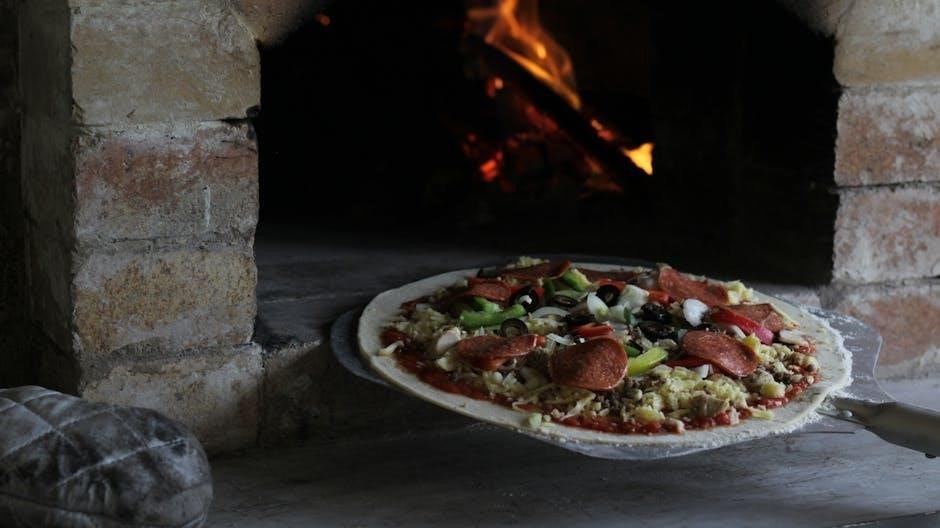
Always consult your oven’s manual for its maximum temperature capabilities. Remember, these are guidelines; experimentation is key to finding the perfect temperature for your preferences and oven. A pizza thermometer is a valuable tool for verifying stone temperature.
Using Your Emile Henry Pizza Stone in the Oven
Positioning your Emile Henry pizza stone correctly within the oven is crucial for even cooking. Place the stone on the middle or lower-middle rack, allowing space above for the pizza and preventing the toppings from touching the heating element. Preheating is essential – allow at least 30-60 minutes at your desired temperature to ensure the stone is thoroughly heated.
Avoid placing the stone in a cold oven and increasing the temperature, as this can cause thermal shock and cracking. Once preheated, work quickly to assemble and launch your pizza onto the hot stone. The stone’s heat will immediately begin to cook the crust, creating a crispy base.
Rotating the pizza halfway through baking can promote even browning. Baking times will vary depending on the temperature and pizza style, typically ranging from 6-15 minutes. Always use oven mitts when handling the stone or pizza.
Transferring Pizza to and from the Stone
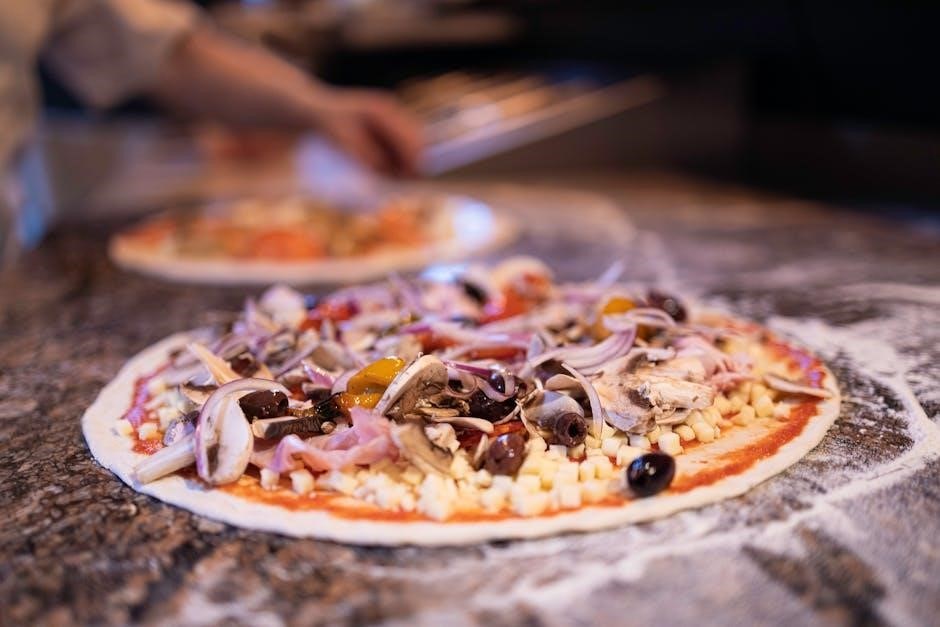
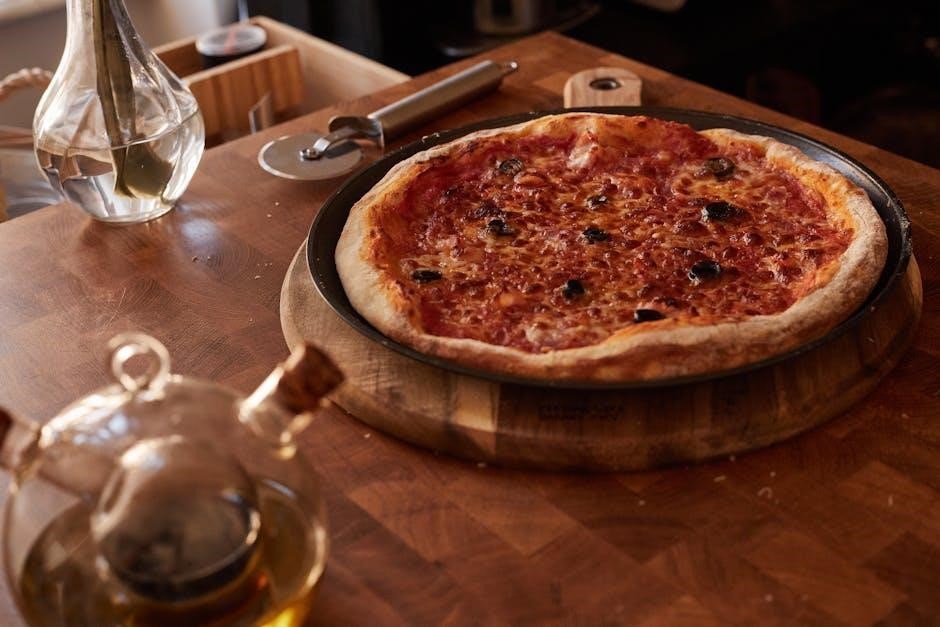
Successfully transferring your pizza to and from the Emile Henry stone requires a pizza peel and a delicate touch. Generously dust the peel with semolina flour, cornmeal, or a blend to prevent sticking. Carefully build your pizza on the prepared peel, ensuring it slides freely before attempting the transfer.
With a swift, confident motion, slide the pizza from the peel onto the hot stone in the oven. A slight jiggle of the peel can help release the pizza. To retrieve the baked pizza, use the peel to slide underneath, supporting the crust as you lift it out.
Practice makes perfect! Don’t be discouraged if your first few attempts aren’t flawless. A well-floured peel and a quick, decisive movement are key. Avoid hesitation, as this can cause the pizza to stick or fold over during transfer.
Pizza Peel Recommendations and Techniques
Choosing the right pizza peel significantly impacts successful transfers with your Emile Henry stone. Wooden peels are excellent for building and launching pizzas, while metal peels excel at retrieving baked pies. Consider a rectangular peel for larger pizzas or a round peel for individual portions.
Regardless of material, ensure your peel is lightly dusted with semolina, cornmeal, or a flour blend before assembling your pizza. This creates a non-stick barrier. When launching, use a quick, shaking motion to release the pizza onto the stone – avoid stopping mid-slide.
For retrieval, gently slide the peel under the pizza, ensuring full support. A slight lifting and wiggling motion helps separate the crust from the stone. Practice these techniques to build confidence and minimize sticking. Remember, a well-prepared peel is your best ally!
Cleaning and Maintenance of Your Pizza Stone
Maintaining your Emile Henry pizza stone is crucial for longevity and performance. Avoid using soap or detergents, as the stone is porous and can absorb flavors. After cooling completely, scrape off any excess food residue with a firm brush or plastic scraper.

For stubborn stains, you can gently scrub with warm water and a non-abrasive sponge. Never subject the stone to drastic temperature changes – avoid rinsing a hot stone with cold water. Allow it to cool naturally.
Periodically, you can “re-season” the stone by lightly rubbing it with cooking oil after cleaning. This helps maintain its non-stick properties. Proper care ensures your Emile Henry stone remains a reliable companion for countless pizza nights, delivering consistently crispy results. Avoid dishwashers!
Avoiding Thermal Shock and Cracking
Thermal shock is the primary cause of cracking in pizza stones, particularly those made of ceramic like Emile Henry. This occurs when the stone experiences a rapid temperature change, creating stress within the material.
Never place a cold stone into a hot oven, or vice versa. Always preheat the stone gradually alongside the oven. Similarly, allow the stone to cool completely before cleaning or storing it. Avoid placing frozen foods directly onto the hot stone.
To minimize risk, start with a lower oven temperature and gradually increase it. Avoid pouring liquids onto a hot stone. Small hairline cracks are often cosmetic and don’t affect performance, but significant cracks compromise the stone’s integrity. Gentle handling and mindful temperature control are key to preventing damage and ensuring years of use.
Troubleshooting Common Issues
Unevenly cooked pizza? Ensure your oven temperature is accurate and the stone is fully preheated – typically at least 30-60 minutes. Rotate the pizza during baking for even browning. If the crust is soggy, increase the oven temperature or preheat the stone longer.
Sticking issues can often be resolved with sufficient flour or cornmeal under the pizza dough. A well-seasoned stone also helps prevent sticking. If the pizza is difficult to transfer, ensure your pizza peel is adequately dusted.

Minor discoloration is normal and doesn’t affect performance. However, persistent smoke during baking may indicate food residue; a gentle scrape after cooling can resolve this. Avoid harsh cleaning agents; Remember, gradual temperature changes prevent cracking, addressing a common concern. Consistent care extends the stone’s lifespan.
Using the Stone for More Than Just Pizza
Beyond pizza, your Emile Henry stone is a versatile culinary asset! It excels at baking breads, creating delightfully crisp flatbreads, and even roasting vegetables to caramelized perfection. The stone’s heat retention is ideal for achieving a golden-brown crust on focaccia or a satisfyingly crunchy exterior on roasted potatoes.
For baking, preheat the stone as you would for pizza, then carefully place the dough directly onto the heated surface. Reduce the oven temperature slightly compared to pizza baking. Roasting vegetables benefits from the stone’s even heat distribution, resulting in uniformly cooked and flavorful results.
Experiment with desserts! The stone can bake cookies or even small cakes, offering a unique texture. Always ensure the stone is clean and dry before using it for different food types. Embrace its versatility and unlock a world of baking possibilities!
Recipes to Get You Started
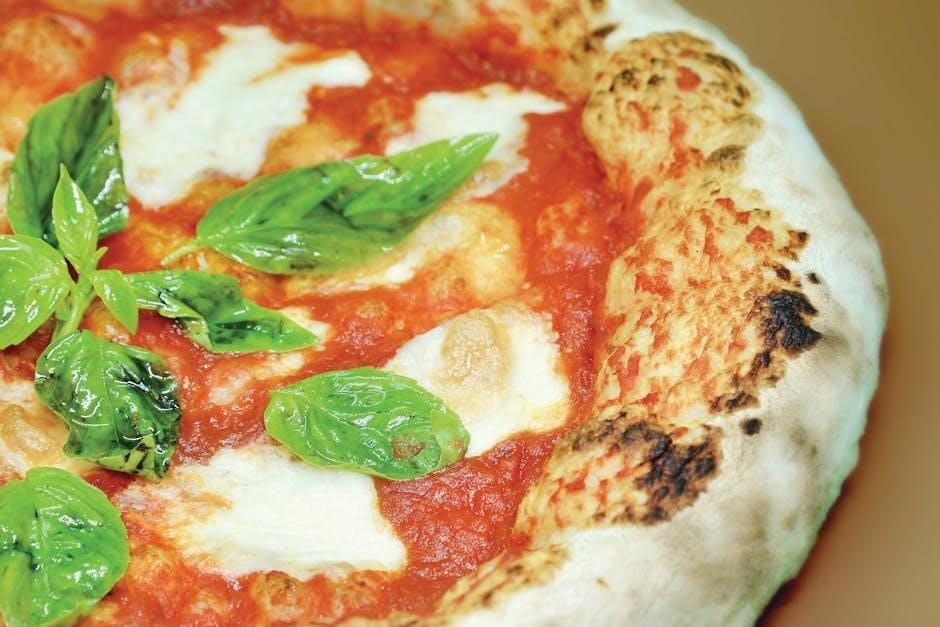
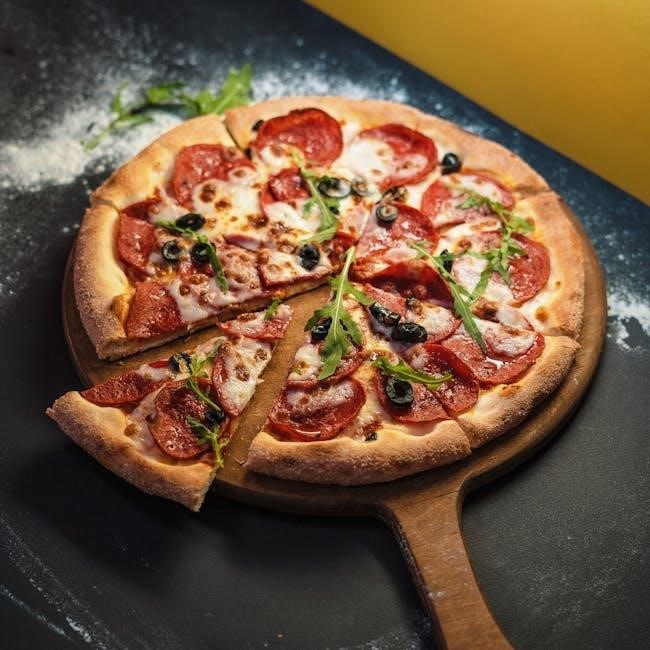
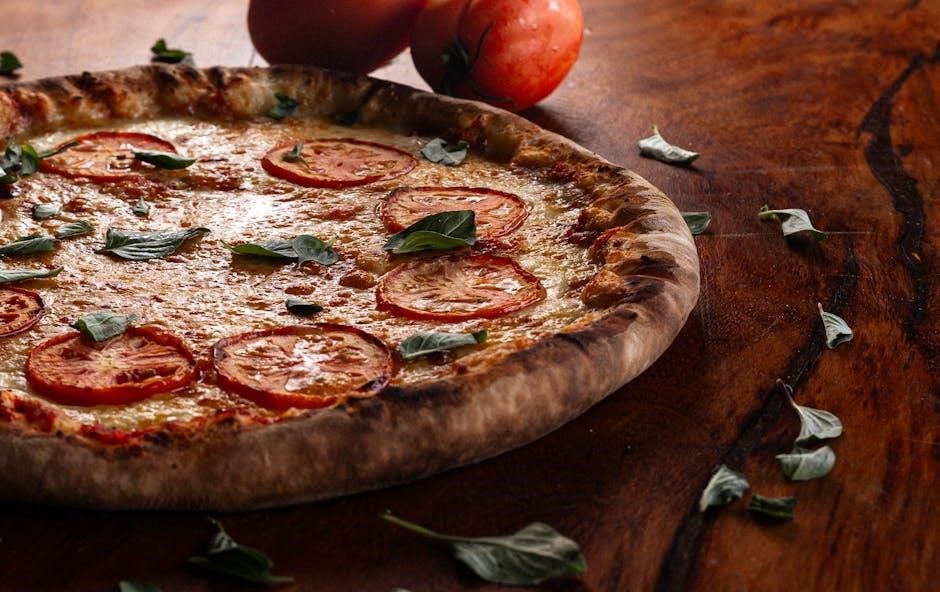
Begin your culinary journey with a classic Margherita pizza! Stretch 250g pizza dough, spread with crushed tomatoes, fresh mozzarella, basil leaves, and a drizzle of olive oil. Bake at 250°C (482°F) for 8-12 minutes on your preheated Emile Henry stone.
Next, try a rustic Rosemary & Garlic Flatbread: Combine 300g dough with chopped rosemary, minced garlic, and olive oil. Roll out thinly and bake at 230°C (446°F) for 6-8 minutes. For roasted vegetables, toss broccoli florets, bell peppers, and red onion with olive oil, herbs, and spices. Roast at 200°C (392°F) for 20-25 minutes.
Finally, a simple Chocolate Chip Cookie recipe: Cream butter and sugar, add eggs and vanilla, then flour, baking soda, and chocolate chips. Drop spoonfuls onto parchment paper placed on the stone and bake at 190°C (374°F) for 10-12 minutes. Enjoy these starting points and explore your creativity!
Storage Recommendations
Proper storage is crucial for maintaining your Emile Henry pizza stone’s longevity and performance. After complete cooling, ensure the stone is thoroughly dry before storing. Avoid storing it in a damp environment, as moisture absorption can lead to cracking.
Ideally, store the stone in a dry, well-ventilated area, such as a pantry or cupboard. Avoid stacking heavy items on top of the stone, as this could cause damage. A padded shelf or dedicated space is recommended. If you must stack, use a protective layer like cardboard or a towel.
Do not store the stone in the refrigerator or freezer, as rapid temperature changes can induce thermal shock; Gentle handling is key; avoid dropping or bumping the stone. Regular inspection for any cracks or chips is advisable. With careful storage, your Emile Henry stone will provide years of exceptional pizza-making enjoyment.
Warranty Information and Support
Emile Henry products, including their pizza stones, are renowned for quality and durability. Typically, Emile Henry offers a 10-year guarantee against manufacturing defects in ceramic. This warranty covers issues like cracking due to faulty materials or workmanship under normal use.
However, the warranty does not cover damage resulting from thermal shock (rapid temperature changes), improper cleaning, accidental breakage, or misuse. Proof of purchase is required for any warranty claim. Retain your receipt or order confirmation.
For warranty claims or customer support, visit the official Emile Henry website (emilehenry.com). Their website provides detailed FAQs, care instructions, and contact information for their customer service team. You can also find authorized retailers and distributors listed on their site. Google searches can also provide additional support resources and user forums dedicated to Emile Henry products. Contacting them directly ensures accurate and up-to-date information regarding your specific product and warranty coverage.