Music and Movement Activities for Preschoolers: Lesson Plan Overview
Preschool music and movement lesson plans enhance cognitive skills‚ offering activities like singing‚ rhythm work‚ and creative dance – find PDF resources online!
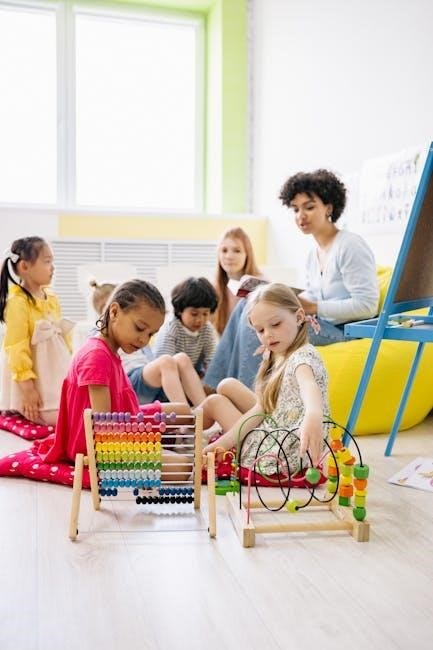
Music and movement are fundamental to early childhood development‚ fostering creativity‚ coordination‚ and emotional expression․ Integrating these elements into preschool education isn’t merely about fun; it’s about nurturing holistic growth․ Activities like singing games‚ rhythmic exploration with instruments‚ and imaginative dance support cognitive‚ social‚ and physical skills․
Many educators seek structured lesson plans‚ often available as PDF downloads‚ to effectively implement these practices․ These resources provide sequenced activities‚ ensuring age-appropriateness and learning objectives are met․ Utilizing music and movement helps children connect with learning in a multi-sensory way‚ building a strong foundation for future academic success and a lifelong appreciation for the arts․
The Benefits of Integrating Music and Movement
Integrating music and movement into preschool curricula yields significant benefits․ Children develop gross motor skills through dance and active play‚ while rhythmic activities enhance coordination and spatial awareness․ Singing boosts language development and memory skills‚ and movement encourages self-expression and emotional regulation․
Accessing well-designed lesson plans‚ often found as downloadable PDFs‚ streamlines implementation․ These plans support cognitive growth by linking music to other subjects‚ fostering creativity‚ and promoting social interaction․ Furthermore‚ music and movement create a joyful learning environment‚ increasing engagement and making education more accessible for all learners․
Core Components of Preschool Music and Movement Lessons
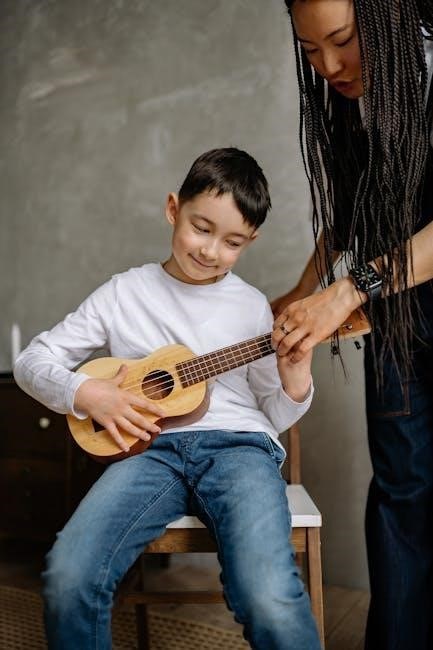
Essential elements include rhythm‚ singing‚ and creative movement; lesson plans (often PDFs) integrate these‚ fostering holistic development through engaging music activities․
Rhythm and Beat Activities
Rhythm and beat are foundational to musical understanding․ Activities should focus on feeling the pulse through clapping‚ stomping‚ and using simple percussion instruments like rhythm sticks – readily available in PDF lesson plans․ Encourage children to identify fast and slow tempos‚ loud and soft dynamics․
Games involving imitating rhythmic patterns or creating their own are highly effective․ Utilizing body percussion – patting‚ snapping‚ tapping – reinforces internalizing the beat․ Many preschool music resources offer printable rhythm cards or downloadable PDFs with structured activities․ These lesson plans often include suggestions for adapting activities to different skill levels‚ ensuring inclusivity and maximizing engagement for all learners․ Exploring different time signatures in a playful manner builds a strong musical foundation․
Singing Games and Songs
Singing games and songs are central to preschool music education‚ fostering language development and musicality․ Classic songs like “Twinkle‚ Twinkle Little Star” paired with hand motions are excellent starting points – often found in comprehensive PDF lesson plans․ Incorporate action songs that encourage movement‚ like “Head‚ Shoulders‚ Knees‚ and Toes․”
Round songs and call-and-response activities build listening skills and group participation․ Many online resources offer printable song sheets and accompanying activity suggestions in PDF format․ Adapt songs to fit themes or learning objectives․ Encourage children to contribute their own verses or create new melodies․ These readily available lesson plans provide a wealth of ideas for engaging young children through the joy of singing․
Movement Exploration and Creative Dance
Movement exploration and creative dance unlock children’s imaginations and physical expression․ Encourage free movement to various music styles‚ prompting them to interpret the music with their bodies․ Animal walks and mimicking natural elements (like waves or trees) are engaging activities‚ often detailed in preschool music lesson plans available as PDF downloads․
Scarf dancing provides a simple yet effective prop for exploring space and rhythm․ Structured improvisations‚ where children respond to cues like “fast” or “slow‚” build control and awareness․ Many PDF resources offer themed dance activities‚ linking movement to storytelling or concepts․ Remember to prioritize safe exploration and joyful expression!

Lesson Plan Ideas: Specific Activities
Explore PDF lesson plans featuring classic songs like “Twinkle‚ Twinkle Little Star‚” animal walks‚ scarf dancing‚ and rhythm stick activities for preschool fun!
Twinkle‚ Twinkle Little Star – A Classic Lesson
This beloved song provides a fantastic foundation for introducing music and movement to preschoolers․ Many PDF lesson plans utilize “Twinkle‚ Twinkle Little Star” by pairing it with simple hand motions – twinkling fingers for the stars‚ and gentle swaying to represent night․
Activities can include singing the song at different tempos (fast and slow) and encouraging children to move like twinkling stars‚ spinning or reaching upwards․ Educators can also incorporate rhythm instruments‚ like shakers‚ to accompany the song․ This classic lesson fosters musicality‚ coordination‚ and imagination‚ readily available in numerous downloadable lesson plans․
Animal Walks and Sounds
“Animal Walks and Sounds” is a highly engaging activity frequently found within preschool music and movement lesson plans‚ often available as PDF downloads․ This lesson encourages children to imitate various animal movements – waddling like a duck‚ hopping like a bunny‚ or stomping like an elephant – while simultaneously creating corresponding animal sounds․
Educators can play upbeat music and prompt children to change their animal walk with each musical cue․ This activity develops gross motor skills‚ creativity‚ and auditory awareness․ Many PDF resources suggest incorporating storytelling‚ creating a narrative about a trip to the zoo or a jungle adventure‚ enhancing the imaginative play․
Scarf Dancing and Exploration
“Scarf Dancing and Exploration” is a popular component in preschool music and movement curricula‚ readily accessible in PDF lesson plans․ This activity utilizes lightweight scarves to encourage free-form movement and creative expression; Children can wave‚ toss‚ and twirl the scarves‚ responding to changes in tempo and dynamics of the music․
Educators often play instrumental music‚ prompting children to interpret the sounds through their movement with the scarves․ This fosters imagination‚ spatial awareness‚ and coordination․ Many PDF resources suggest exploring different qualities of movement – slow and flowing versus fast and energetic – enhancing the children’s expressive range․
Using Rhythm Sticks for Beat Recognition
Rhythm sticks are a fantastic tool for developing beat recognition in preschool music and movement‚ frequently featured in downloadable PDF lesson plans․ Children tap the sticks together to match the pulse of the music‚ reinforcing their understanding of steady beat․ Activities range from simple tapping to more complex patterns‚ building coordination and musicality․
Many lesson plans suggest varying the tempo and dynamics‚ challenging children to adjust their tapping accordingly․ Educators can also use rhythm sticks to accompany songs and chants‚ creating a collaborative musical experience․ These PDF resources often include variations for different skill levels‚ ensuring inclusivity and engagement․
Parachute Play for Group Coordination
Parachute play is a classic preschool music and movement activity‚ often detailed in comprehensive PDF lesson plans․ It fosters group coordination‚ teamwork‚ and listening skills as children work together to lift and lower the parachute to the music’s beat․ Activities include making waves‚ creating “mushroom” shapes‚ and bouncing lightweight objects on top․
Many lesson plans incorporate songs and stories‚ enhancing the imaginative play aspect․ Educators can vary the speed and intensity of movements‚ challenging children’s coordination and responsiveness․ PDF resources frequently offer modifications for different group sizes and developmental levels‚ ensuring inclusive fun․
Developing Lesson Plans: Key Considerations
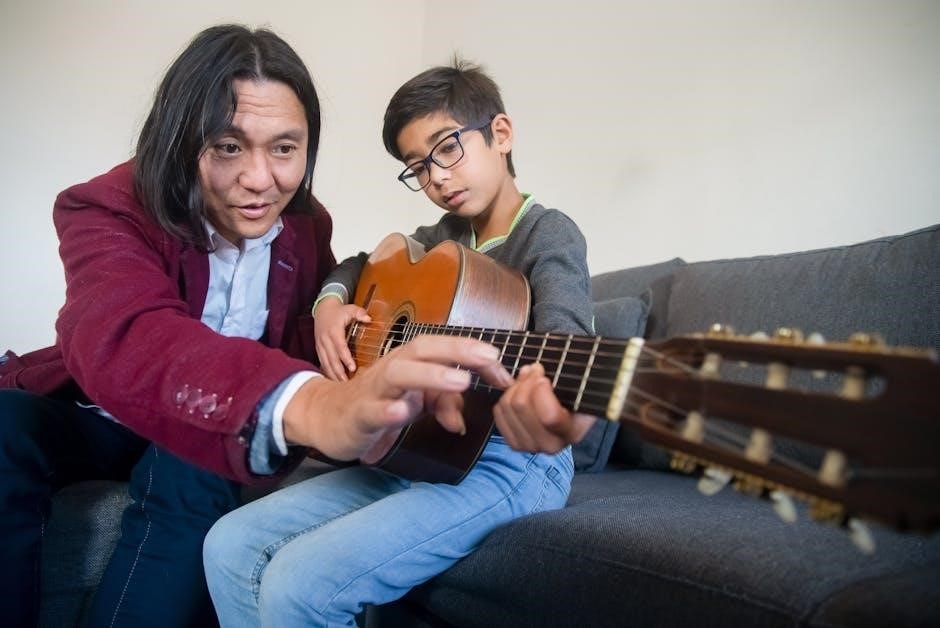
PDF lesson plans should prioritize age-appropriateness‚ diverse learning styles‚ storytelling integration‚ and prop usage for engaging preschool music and movement experiences․
Age-Appropriate Activities
When selecting music and movement activities for preschoolers‚ consider their developmental stage․ PDF lesson plans should feature simple songs with repetitive lyrics and easily imitable motions․ Activities like animal walks and scarf dancing cater to their gross motor skill development․
Keep instructions concise and demonstrations clear․ Short attention spans necessitate brief activities with frequent transitions․ Focus on exploration and play rather than strict technique․ Adapt complexity based on the children’s abilities‚ offering variations for different skill levels․ Ensure activities are joyful and non-competitive‚ fostering a positive learning environment․ Remember‚ the goal is engagement and exploration‚ not perfection!
Adapting to Different Learning Styles
Effective preschool music and movement lesson plans (available as PDFs) acknowledge diverse learning styles․ Visual learners benefit from demonstrations and colorful props like scarves․ Auditory learners thrive with songs and rhythmic patterns․ Kinesthetic learners excel through active participation and free movement․
Offer varied activities within each lesson to cater to all styles․ Allow children choices in how they respond to the music – some may prefer to dance‚ others to play instruments‚ or simply listen․ Observe individual preferences and adjust accordingly․ Inclusive lesson plans ensure every child feels successful and engaged‚ maximizing their learning potential․
Incorporating Storytelling into Movement
Enhance preschool music and movement lesson plans (often found as downloadable PDFs) by weaving in narratives․ Children connect deeply when movement illustrates a story․ For example‚ act out a bear walking‚ birds flying‚ or waves crashing – linking actions to a tale․
Use songs that tell stories‚ prompting children to embody the characters and events․ Encourage imaginative movement‚ asking “How would a giant walk?” or “What does happy music make you do?”․ Storytelling fosters creativity‚ language development‚ and a deeper understanding of musical expression‚ making learning fun and memorable․
Using Props and Instruments
Elevate preschool music and movement lesson plans (available as PDF downloads) with engaging props and instruments! Simple items like scarves‚ rhythm sticks‚ or beanbags amplify the experience․ Scarves encourage flowing movement‚ while rhythm sticks build beat recognition․
Introduce instruments gradually‚ exploring different sounds and textures․ Props can represent story elements‚ like a blue cloth for water․ Remember safety – choose age-appropriate‚ non-toxic materials․ Props and instruments transform activities‚ fostering creativity‚ coordination‚ and a joyful exploration of music and movement․

Detailed Lesson Plan Examples
Explore PDF lesson plans showcasing tempo exploration‚ emotional expression through movement‚ and following directions – ideal for preschool music and movement activities!
Lesson Plan 1: Exploring Fast and Slow Tempo
Objective: Children will differentiate between fast and slow tempos through music and movement․ Materials: Various music selections (fast & slow)‚ scarves (optional)․
Procedure: Begin by playing a fast-tempo song and encouraging children to move quickly – running‚ jumping‚ or fast arm movements․ Then‚ switch to a slow-tempo song‚ prompting slow movement like walking or swaying․ Discuss how the music makes them feel․
Introduce scarves for flowing movement with slow music‚ and energetic shaking with fast music․ Observe their responses and adjust accordingly․ PDF lesson plans often include tempo-focused songs․ This activity builds auditory discrimination and gross motor skills․ Extend by asking children to suggest fast/slow actions․
Lesson Plan 2: Emotions Through Music and Movement
Objective: Children will explore and express different emotions through music and movement․ Materials: Music selections evoking various emotions (happy‚ sad‚ angry‚ calm)‚ instruments (optional)․
Procedure: Play happy music and ask children to move in ways that show happiness – jumping‚ smiling‚ twirling․ Repeat with sad‚ angry‚ and calm music‚ guiding their movement to reflect each emotion․
Encourage them to discuss how the music makes them feel․ Instruments can enhance expression․ Many PDF lesson plans suggest emotion-based songs․ This fosters emotional literacy and self-awareness․ Observe how children interpret and express emotions physically‚ adapting the activity as needed․
Lesson Plan 3: Following Directions with Movement
Objective: Children will practice following one- and two-step directions using movement․ Materials: Music with a clear beat‚ open space․
Procedure: Play music and give simple directions like “Jump up and down!” or “Touch your toes!” Gradually increase complexity: “Clap your hands‚ then turn around․” Observe their ability to follow instructions․
Many PDF lesson plans include direction-following games․ Incorporate animal movements (“Waddle like a duck!”) for engagement․ This builds listening skills and coordination․ Adapt directions based on children’s abilities‚ providing support as needed․ Celebrate successful completion of tasks‚ reinforcing positive behavior․
Resources for Preschool Music and Movement
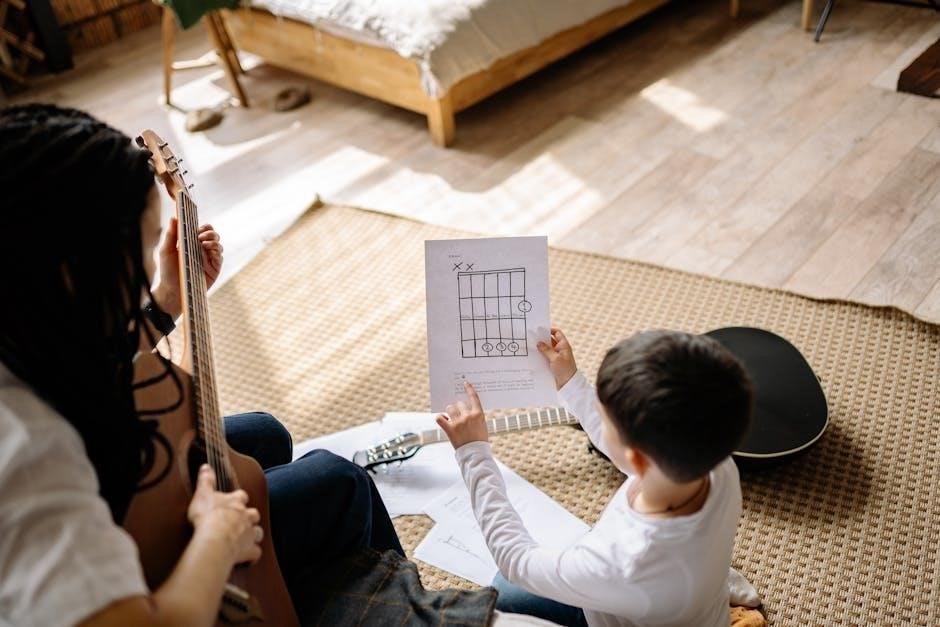
Discover PDF lesson plans‚ websites like Teach Preschool Music‚ and books offering songs and activities to enrich music and movement experiences․
Online Resources and Websites
Numerous websites provide valuable music and movement resources for preschool educators․ Teach Preschool Music stands out‚ offering downloadable lesson plans‚ activity ideas‚ and songs specifically designed for movement-based learning․ These resources often come in convenient PDF format for easy access and printing․
Exploring general early childhood education websites can also yield fruitful results‚ uncovering song collections‚ fingerplays‚ and adaptable activity suggestions․ Many educators share their own curated lesson plans and ideas on platforms like Pinterest and educational blogs․ Remember to evaluate the source and ensure age-appropriateness when utilizing online materials․ Websites focusing on child development often include sections dedicated to the benefits of music and movement‚ providing a theoretical foundation for your practice․
Books and Materials for Music Educators
Several books offer comprehensive guidance for integrating music and movement into preschool curricula․ Look for titles focusing on early childhood music development and activity-based learning․ Many publishers offer accompanying PDF resources or online access to supplemental materials with book purchases․
Essential materials include rhythm instruments like shakers‚ tambourines‚ and rhythm sticks‚ as well as scarves‚ parachutes‚ and simple props for imaginative play․ Consider investing in song collections tailored to young children‚ featuring diverse genres and tempos․ Remember that readily available household items can also serve as effective props‚ fostering creativity and resourcefulness․ Prioritize materials that are durable‚ safe‚ and encourage active participation․
Creating a Music and Movement Space
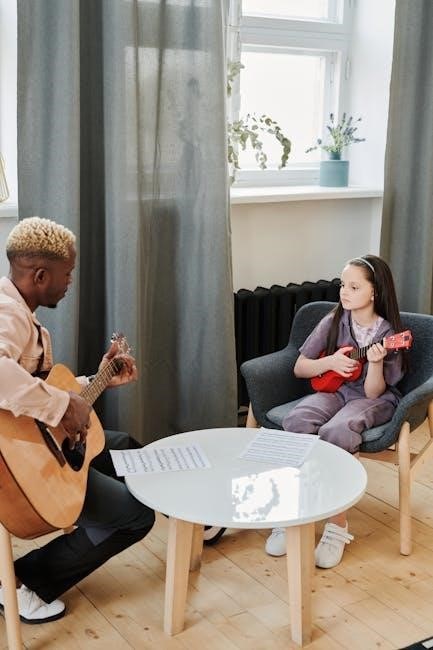
Designating a dedicated space‚ even a small one‚ enhances preschool music and movement experiences․ Prioritize open floor space for free movement‚ ensuring a safe and uncluttered environment․ Soft flooring or mats can provide cushioning․ Access to music playback equipment is crucial‚ alongside storage for instruments and props․
Consider incorporating visual elements like colorful streamers or artwork to stimulate creativity․ While a specialized space is ideal‚ adaptability is key; utilize existing classroom areas when necessary․ Many PDF lesson plans suggest adaptable setups․ Ensure good lighting and ventilation․ The goal is a welcoming area that inspires exploration and joyful expression through music․
Assessment and Observation
Observe children’s engagement during music and movement‚ tracking developmental progress using PDF lesson plans as guides for key milestones․
Observing Children’s Engagement
Careful observation during music and movement activities provides valuable insights into each child’s learning process․ When utilizing preschool lesson plans – often available as PDF downloads – note their participation levels․ Are they actively singing‚ attempting the movements‚ or showing hesitation?
Look for non-verbal cues like facial expressions and body language․ Do they appear joyful and relaxed‚ or frustrated and withdrawn? Observe their interactions with peers during group activities like parachute play or rhythm stick exercises․
Document these observations to inform future lesson adjustments and ensure all children are benefiting from the experience․ A well-designed PDF lesson plan can offer observation checklists to streamline this process․
Tracking Developmental Progress
Integrating music and movement into preschool lesson plans – frequently found as downloadable PDFs – allows for tracking key developmental areas․ Observe improvements in gross motor skills during activities like animal walks or creative dance․ Note any gains in rhythm recognition when using rhythm sticks or participating in singing games․
Assess social-emotional growth by observing children’s ability to cooperate during group activities like parachute play․
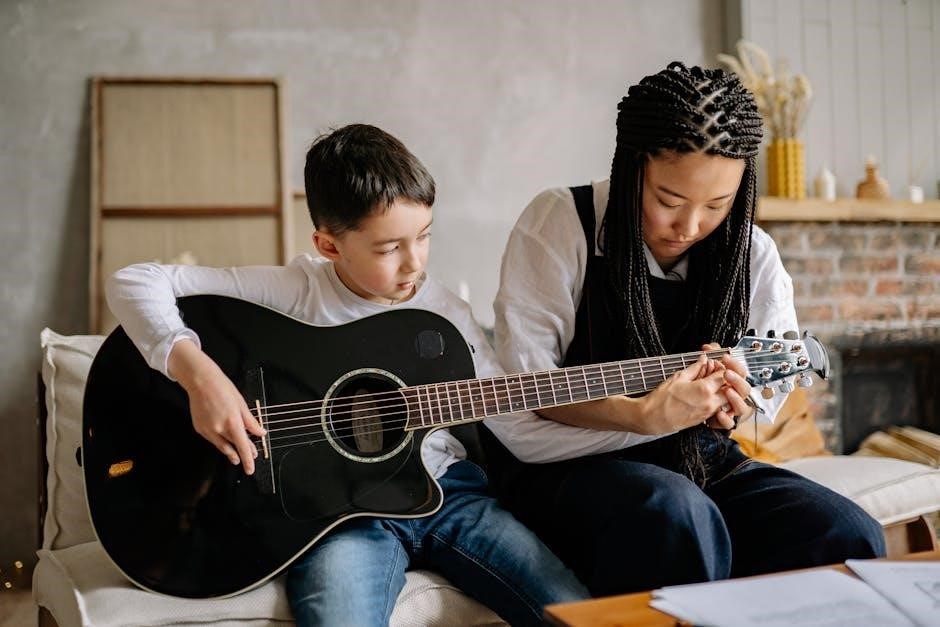
Document these observations regularly‚ noting specific milestones achieved․ Many PDF lesson plans include assessment rubrics or checklists to aid in this process‚ providing a structured way to monitor each child’s progress over time․
Adapting Lessons Based on Observation
Utilizing music and movement lesson plans – often available as PDF downloads – requires flexibility․ Regularly observe children’s engagement and adjust activities accordingly․ If a song proves too challenging‚ simplify the hand motions or tempo․ If children struggle with rhythm stick patterns‚ break them down into smaller steps․
Observe which activities spark the most joy and enthusiasm‚ and incorporate similar elements into future lessons․
PDF lesson plans can serve as a starting point‚ but tailoring them to meet the unique needs and interests of your preschool group is crucial for optimal learning․

Safety Considerations
Ensure a clear‚ spacious area for movement‚ referencing PDF lesson plans for age-appropriate activities; constant supervision and guidance are essential for preschoolers․
Creating a Safe Movement Environment
Prioritize a clutter-free space‚ removing potential hazards before beginning music and movement activities․ Soft flooring or mats can cushion falls‚ and ample room is crucial for exploration․ Review preschool lesson plans – often available as PDF downloads – to understand activity demands and adjust the environment accordingly․
Clearly define boundaries and establish simple safety rules‚ like “walking feet” and “personal space․” Regularly inspect the area for obstructions․ Consider the age and developmental levels of the children when planning activities; PDF resources often categorize activities by age․ Supervision is paramount‚ ensuring attentive observation throughout each session to prevent injuries and foster a secure learning atmosphere․
Supervision and Guidance
Active supervision is essential during music and movement‚ ensuring children’s safety and engagement․ Teachers should participate‚ modeling movements and providing gentle guidance․ Utilize preschool lesson plans – many available as PDFs – as frameworks‚ adapting to individual needs․
Offer positive reinforcement and encouragement‚ fostering a supportive atmosphere․ Observe children’s responses‚ adjusting the pace or complexity as needed․ Be mindful of children who may be hesitant or struggle with coordination‚ offering individualized support․ Clear‚ concise instructions are vital‚ and consistent redirection helps maintain focus and prevent unsafe behaviors․ Effective guidance maximizes learning and enjoyment․
Extending the Learning
Connect music and movement to other subjects‚ like storytelling! Utilize preschool lesson plans (PDF format) for home activities and encourage parent involvement․
Connecting Music and Movement to Other Subjects
Integrating music and movement transcends simple fun; it powerfully reinforces learning across the curriculum․ For instance‚ explore animal habitats through “Animal Walks and Sounds‚” blending science with physical expression․ Storytelling becomes dynamic when children embody characters and plot points through movement‚ enhancing literacy skills․
Math concepts‚ like fast and slow tempo‚ can visually demonstrate speed and pacing; Utilize readily available preschool music lesson plans – often found as downloadable PDFs – to seamlessly weave these connections․ These resources frequently offer cross-curricular activity suggestions‚ maximizing the educational impact of each session and fostering a holistic learning experience․
Parent Involvement and Home Activities
Extending music and movement beyond the classroom strengthens learning and builds family bonds․ Share simple songs and action rhymes with parents‚ encouraging participation during daily routines – like cleanup songs or bedtime lullabies․ Provide PDF resources containing suggested home activities‚ mirroring classroom lesson plans․
Suggest creating “dance parties” or incorporating rhythmic clapping games․ Empower parents to observe their child’s natural movement responses to different music genres․ This fosters a supportive environment where children feel comfortable exploring and expressing themselves creatively‚ reinforcing the benefits of preschool music education at home․