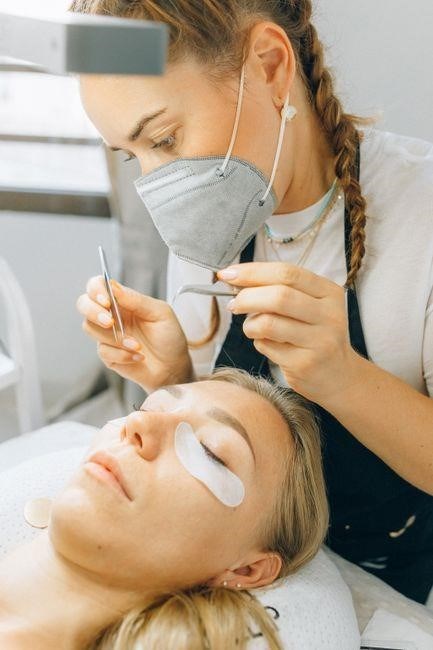
Discover how free PDF guides empower aspiring lash artists by offering step‑by‑step tutorials, safety tips, and industry insights—all accessible at no cost. These resources serve as a launchpad for skill development, confidence building, and professional growth.
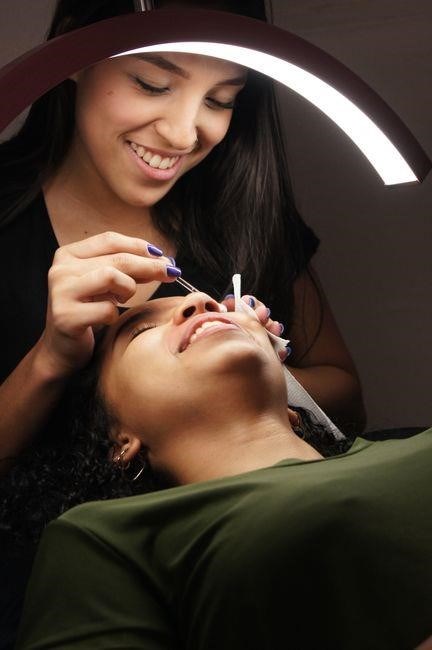
Core Content Covered in the Manual
Free lash training manuals provide essential modules covering fundamentals such as hygiene protocols, tool handling, lash styles, client safety, and business basics. They blend theory with visual guides, enabling learners to master techniques, troubleshoot issues, and build a professional portfolio. Learn more.!!!
Lash Application Techniques
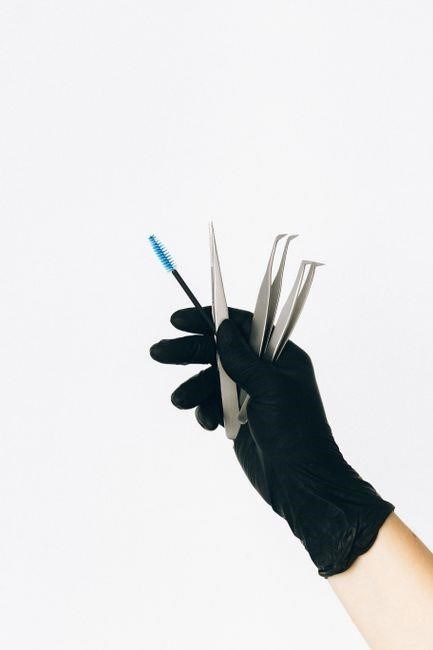
Free lash training manuals focus on a range of application methods, from classic to volume, hybrid, and mega‑volume. They begin with a foundational overview of anatomy, explaining the natural lash line, growth cycle, and how to assess client eye shape. The guide then walks through essential tools—tweezers, brush, suction cup, and adhesive—detailing proper handling, sterilization, and storage to maintain hygiene standards.
Next, step‑by‑step instructions illustrate the classic technique: selecting a single lash, applying a thin adhesive layer, positioning the lash with precision, and securing it to the natural lash. The manual emphasizes the importance of spacing, angle, and length to create a natural, fluttery look. Visual diagrams accompany each step, ensuring clarity for beginners.
Volume application is covered in depth, showing how to build multiple lashes per natural lash. The manual explains the “sweep” technique, where a single lash is applied, then a second is added, and so on, until a dense cluster forms. Tips on maintaining consistent tension, avoiding lash clumping, and achieving a balanced volume are highlighted.
Hybrid and mega‑volume styles are also addressed, with guidance on blending classic and volume lashes for a fuller appearance. The manual discusses how to choose the right lash weight, length, and curl for each client’s desired outcome.
Throughout, safety protocols are reinforced: using proper adhesive, checking for allergic reactions, and ensuring adequate ventilation. The manual also covers aftercare instructions, such as avoiding water for 24 hours, using oil‑free cleansers, and recommending. By the end, readers are equipped to apply lashes confidently, adapt to various client needs, and maintain a professional standard!
Lash Product Selection
Free lash training manuals guide artists through the nuanced world of lash products, helping them make informed choices that elevate both safety and aesthetic quality. First, the guide explains the spectrum of lash styles—classic, volume, hybrid, and mega‑volume—highlighting how each style demands specific lash shapes, lengths, and curl types. By understanding the natural lash line and client eye shape, readers learn to match product characteristics to desired outcomes, ensuring a harmonious blend that feels natural yet striking.
Next, the manual details adhesive options, from water‑based to solvent‑based formulas, outlining their drying times, bond strength, and suitability for sensitive eyes. It stresses the importance of hypoallergenic, cruelty‑free adhesives, providing a checklist for verifying certifications and reading ingredient lists. The guide also covers lash glue applicators, recommending angled brushes for precision and tips for avoiding excess adhesive that can lead to irritation.
Product selection extends to lash extensions themselves. The manual reviews synthetic, silk, and mink options, comparing durability, weight, and natural look. It explains how to evaluate lash density, weight, and curl to match client preferences while maintaining eyelid health. The guide includes a matrix that pairs lash types with eye shapes—round, almond, hooded—ensuring that each product choice enhances the client’s natural beauty.
Finally, the manual addresses storage and maintenance. It advises on proper lash storage containers, temperature control, and cleaning protocols to preserve product integrity. By the end, readers possess a comprehensive framework for selecting lash products that balance performance, safety, and artistry, empowering them to deliver consistent, high‑quality results. Readers are encouraged to keep a product log, noting batch numbers and client reactions, to refine their selection.

Client Consultation and Aftercare
Before any lash application, a thorough client consultation establishes a foundation for safety, satisfaction, and long‑term success. The free training manual outlines a structured intake form that gathers medical history, eye sensitivities, lifestyle habits, and aesthetic goals. By asking targeted questions—such as “Do you wear contact lenses?” or “Have you experienced allergic reactions to cosmetics?”—the practitioner can pre‑screen potential complications and tailor the lash style accordingly.
During the session, the manual emphasizes the importance of a clear, honest dialogue. The stylist should explain the chosen lash type, adhesive, and expected wear time, while also discussing aftercare instructions. Clients must understand that proper hygiene—avoiding oil‑based products, not rubbing the eyes, and limiting water exposure for the first 48 hours—ensures longevity and reduces irritation.
Aftercare instructions are detailed in a printable checklist: avoid swimming, steam, and excessive heat; use a gentle, oil‑free cleanser; and schedule a follow‑up appointment for touch‑ups or removal. The manual also recommends a post‑application care kit, including a lash brush, adhesive remover, and a microfiber towel. By providing these resources, the practitioner empowers clients to maintain their lashes, prolong the look, and prevent damage.
Finally, the guide stresses the value of post‑service feedback. A short survey or follow‑up call helps the stylist gauge client satisfaction, identify areas for improvement, and build a loyal client base. This systematic approach to consultation and aftercare not only enhances client trust but also elevates the overall quality of lash services.
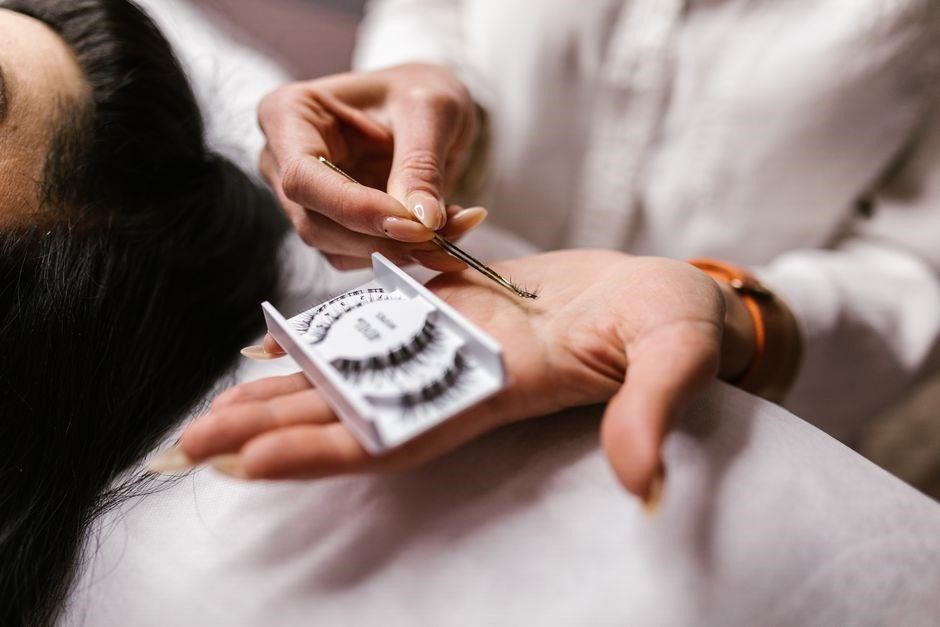
Where to Find Reliable Free PDF Resources
Explore trusted sites like the official lash association portal, accredited beauty schools, and reputable online platforms offering downloadable PDFs. Verify author credentials, recent updates, and user reviews to ensure accurate, up‑to‑date training materials for lash artists. Check for updates, download now!!
Official Salon and Association Resources
Many professional lash associations and reputable salon chains provide free downloadable PDFs that cover everything from basic hygiene to advanced extension techniques. These resources are often vetted by industry experts, ensuring that the information is accurate, up‑to‑date, and compliant with safety regulations. By accessing a salon‑approved manual, you gain confidence in the credibility of the material and the legitimacy of the training it offers.
To locate these documents, start with the official websites of recognized bodies such as the International Association of Lash Professionals, the National Beauty Association, or regional lash guilds. These sites typically host a “Resources” or “Education” section where members can download PDFs, video tutorials, and certification guides. Some associations require a free membership or email registration, but the cost is usually minimal and the benefits—access to exclusive training and continuing education credits—are substantial.
In addition to association portals, many well‑established salons publish their own training manuals on their corporate websites. These manuals often reflect the salon’s specific brand standards, product recommendations, and workflow preferences. By downloading a salon’s PDF, you can align your practice with industry best practices while also learning how to incorporate the salon’s preferred tools and techniques into your own routine.
When reviewing a PDF, pay attention to the author’s credentials, the publication date, and any references to current regulations. Look for sections that cover client consultation, aftercare instructions, and troubleshooting common issues. A comprehensive manual will also include visual aids—photos, diagrams, and step‑by‑step guides to reinforce learning and reduce the risk of errors.
These resources empower artists to master techniques, stay compliant, deliver results ensuring success.
Educational Platforms
Online learning portals have become a cornerstone for aspiring lash artists seeking instruction. Platforms such as Udemy, Skillshare, and Coursera frequently host courses that include downloadable PDF modules, allowing students to study at their own pace. These PDFs often feature step‑by‑step guides, safety protocols, and product‑specific recommendations that align with industry standards.

In addition to mainstream sites, beauty education services such as Lash Academy Live, Beauty Academy, and the Lash Institute offer libraries of free PDFs. These resources are produced by professionals who have salon experience, ensuring that the content reflects real‑world practice. Many of these platforms provide supplementary video demonstrations, quizzes, and community forums where learners can ask questions and receive feedback.
When selecting a platform, verify that the material is updated regularly to reflect the latest regulations and product innovations. Look for PDFs that reference FDA guidelines, hygiene practices, and emerging trends such as silk, mink, or synthetic extensions. A well‑structured manual will also include troubleshooting sections, aftercare instructions, and client consultation templates to help you build a workflow.
Many educational sites offer the option to download PDFs and print them for reference. Some even provide printable worksheets or checklists that can be used during training sessions or on the job. By leveraging these free resources, you can stay compliant with safety standards, ultimately elevate the quality of your lash services!

Tips for Using and Printing the PDF
Use a PDF viewer that supports zoom and annotation. Save the file to a USB drive for portability. Print on high‑quality matte paper to reduce glare. Label pages with page numbers and section titles. Keep a backup copy in cloud storage for easy access. After printing, laminate pages for durabilityin a waterproof folder.
File Formats and Compatibility
When accessing free lash training manuals, the PDF format remains the most universal choice. PDFs preserve layout, fonts, and images, ensuring that the instructional diagrams appear exactly as intended across devices. However, some older readers may struggle with large files, so consider converting to a compressed PDF or splitting the document into chapters.
Compatibility is key: most modern operating systems—Windows, macOS, Linux, iOS, and Android—include built‑in PDF viewers. For Windows, the default Edge browser handles PDFs smoothly; macOS users can rely on Preview. Android tablets often use Google PDF Viewer, while iPads benefit from the native Books app. If you encounter rendering issues, try a free third‑party viewer such as SumatraPDF (Windows) or Foxit Reader (cross‑platform).
Beyond viewing, editing or annotating the manual can enhance learning. Adobe Acrobat Reader DC offers free annotation tools, allowing you to highlight, add sticky notes or draw directly on the pages. For more advanced editing—such as inserting your own practice notes or modifying images—consider using a lightweight editor like PDF‑XChange Editor, which supports layer manipulation without a hefty price tag.
When sharing the manual, be mindful of file size. Compressing images to 150‑200 dpi and using the PDF/Astandard can reduce the file to under 5 MB, making it easier to upload to cloud services or email. If you need to distribute the manual to students or colleagues, hosting it on a shared drive (Google Drive, Dropbox, or OneDrive) ensures that everyone accesses the latest version without version control headaches.
Finally, always verify that the PDF is not corrupted before printing or sharing. A quick test is to open the file on two different devices; if both display correctly, the file is likely intact. If you notice missing pages or garbled text, re‑download the source or use a PDF repair tool to restore the document integrity.

Printing Tips for Practical Use
When you print a free lash training manual PDF, consider the following practical steps to ensure clarity, durability, and ease of use on the job. First, choose a high‑resolution printer that supports at least 300 dpi; this guarantees crisp text and detailed illustrations. Next, use thick, matte paper (120–170 gsm) to prevent ink bleed and to give the manual a professional feel. If you prefer a more portable version, select a lightweight but sturdy cardstock that still resists tearing.
Set the PDF to “Actual Size” in the print dialog to avoid scaling errors that can distort measurements. Enable the “Print as Image” option if the file contains many graphics; this preserves color fidelity and reduces rendering time. For long‑term storage, consider printing on both sides of the paper and binding the pages with a simple spiral or comb binding—this keeps the manual flat and easy to flip while protecting the edges from wear.
To further protect the manual, laminate each page or apply a clear protective sheet. This step is especially useful for practitioners who frequently handle the manual with wet or oily hands. Finally, label each page with a small, discreet number or a QR code that links to an online version; this assists in quick reference during sessions and ensures you can update the manual without reprinting the entire set.
When working in a salon environment, consider using a portable printer or a mobile printing app that supports PDF files. This allows you to print updated sections on the fly, ensuring your manual stays current with the latest lash trends and safety regulations. Additionally, keep a small stack of blank pages at the back of the manual for notes or client feedback; this encourages continuous improvement and client engagement.
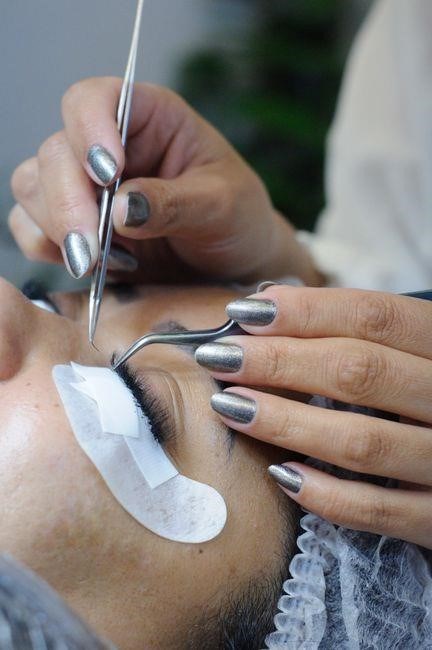
Remember to test a single page before printing the entire manual to confirm that colors, margins, and fonts appear as expected. By following these printing guidelines, you’ll produce a durable, user‑friendly resource that enhances your training sessions and demonstrates professionalism to clients. For extra convenience, store the printed manual in a clear, waterproof sleeve to protect it from spills and accidental damage during travel or on the job. Enjoy! Thanks.

Legal and Ethical Considerations
Free lash training PDFs are valuable educational tools, but their use is governed by copyright law and licensing agreements. Many creators offer their content under Creative Commons or similar open‑source licenses, which may allow free use with attribution. Always confirm the license type before downloading or sharing the material to avoid infringement.
Ethically, practitioners must ensure that the techniques and product recommendations in the PDF are current and evidence‑based. Outdated or unverified information can jeopardize client safety. Cross‑check the content against reputable industry standards, consult peer‑reviewed sources, and seek guidance from accredited training bodies before applying the methods in practice.
Privacy considerations are critical when the manual includes client case studies or images. All personal data must be anonymized or obtained with explicit consent. In regions with strict data protection regulations, such as GDPR, the material must comply with consent, purpose limitation, and data minimization principles. Non‑compliance can lead to legal penalties and reputational damage.
Maintaining an audit trail of all training materials used is essential for demonstrating compliance with professional regulations. Document the source, version, and date of each PDF, and record any modifications made. This documentation supports continuous improvement, facilitates quality control, and provides evidence of ethical practice if questioned by clients or regulatory bodies.
Regularly review license terms and stay informed about copyright law changes to ensure ongoing legal and ethical compliance.
Additionally, when adapting or expanding the material, provide clear attribution to the original author and include a link to the license terms. This transparency builds trust with clients and reinforces your commitment to professional integrity.
Stay vigilant and practice responsibly. Always!.
Continuous Learning and Feedback
In the field of lash artistry, education is essential. PDFs provide a foundation, mastery comes from applying knowledge, seeking critique, adapting to trends. Start by setting goals: identify a new technique or product line to master quarter, schedule sessions daily and weekly in a routine intense to reinforce muscle memory.
Feedback loops are critical. Record live demonstrations and review sessions to assess precision, client comfort, and aesthetic outcome. Encourage honest, constructive dialogue—highlight what worked, what didn’t, and why. This objective assessment helps pinpoint skill gaps and informs targeted study.
Leverage community forums, media groups, associations to stay informed about industry updates. Participate in webinars, workshops, sessions hosted by experts. When new product formulations or safety guidelines emerge, cross‑reference the information with edition of your PDF to ensure consistency.
Document progress meticulously. Maintain a digital portfolio that includes before‑and‑after images, client testimonials, and a log of techniques practiced. Use this archive to track growth over time, celebrate milestones, and identify recurring challenges that may require additional training.
Finally, adopt a growth mindset. Treat every client interaction as a learning opportunity, and remain open to revising your approach. By integrating continuous learning with systematic feedback, you’ll elevate your craft, build client trust, and sustain long‑term success in the lash industry.