Beginner’s Guide to Wine
Embark on a delightful journey into the world of wine! This guide demystifies wine types, tasting techniques, and pairings, offering confidence to every novice.
What is Wine? A Basic Definition
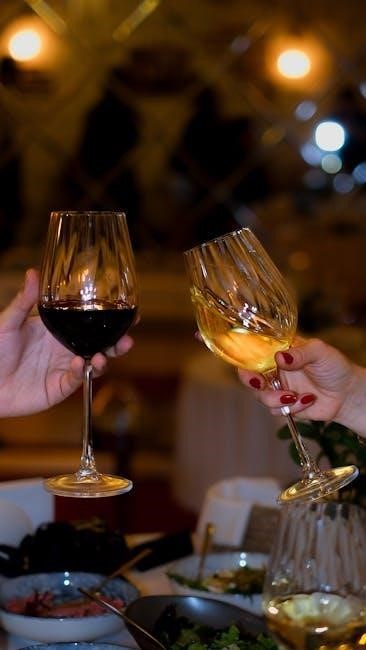
Wine, at its core, is an alcoholic beverage made from fermented grapes. This ancient drink boasts a rich history, evolving through centuries of tradition and innovation. The fermentation process transforms natural grape sugars into ethanol, creating the alcohol content we associate with wine.
However, wine is far more than just alcohol; it’s a complex tapestry of flavors, aromas, and textures influenced by grape variety, terroir (the environment where the grapes are grown), and winemaking techniques. Understanding these elements is key to appreciating the nuances of each bottle. It’s a beverage for exploration and enjoyment!
Understanding the Main Types of Wine
Wine broadly falls into four primary categories: red, white, rosé, and sparkling. Each type offers a unique sensory experience, stemming from different grape varieties and production methods. Red wines derive their color and tannins from grape skin contact during fermentation, resulting in bolder flavors. White wines, typically made from green grapes, are lighter and crisper.
Rosé achieves its pink hue through brief skin contact, offering a refreshing middle ground. Sparkling wines, like Champagne, gain their bubbles through a secondary fermentation process, creating effervescence and celebratory charm.
Red Wine Varieties
The world of red wine is incredibly diverse! Popular choices include Cabernet Sauvignon, known for its bold structure and black fruit flavors, and Merlot, offering a softer, more approachable profile. Pinot Noir is celebrated for its elegance and cherry notes, while Syrah/Shiraz delivers spicy, peppery characteristics.
Other notable varieties are Malbec, with its plum and chocolate notes, and Zinfandel, often exhibiting jammy fruit and high alcohol. Exploring these different grapes unveils a spectrum of flavors and aromas, catering to every palate.
White Wine Varieties
White wines offer a refreshing and versatile range of flavors. Chardonnay is perhaps the most well-known, varying from crisp and unoaked to buttery and oak-aged. Sauvignon Blanc is prized for its herbaceousness and citrusy notes, while Riesling presents a delightful balance of acidity and sweetness.
Pinot Grigio/Gris is light-bodied and easy-drinking, and Gewürztraminer offers exotic aromas of lychee and rose. These diverse grapes provide a spectrum of experiences, perfect for various occasions and food pairings.
Rosé Wine: A Closer Look

Rosé wines, celebrated for their beautiful pink hues, are made from red grapes. The color is achieved through brief contact with the grape skins during fermentation. Styles range from dry and crisp Provençal rosés to sweeter, fruit-forward options.
Rosé offers a delightful bridge between red and white wines, exhibiting refreshing acidity and subtle red fruit flavors. It’s incredibly versatile, pairing well with salads, seafood, and light meals, making it a perfect choice for warm weather enjoyment.
Sparkling Wine & Champagne
Sparkling wines, instantly recognizable by their effervescence, are created with carbon dioxide. Champagne, a specific type of sparkling wine, originates from the Champagne region of France and follows a traditional production method – méthode champenoise.
Other sparkling wines, like Prosecco from Italy and Cava from Spain, offer delightful alternatives. These wines range from bone-dry to sweet, and are perfect for celebrations or as an aperitif. Enjoy with appetizers, desserts, or simply on its own!
Essential Wine Tasting Terminology
Understanding key terms unlocks a deeper appreciation for wine. Descriptors go beyond “good” or “bad,” focusing on specific characteristics. Acidity contributes to a wine’s freshness, while tannins, found mainly in red wines, create a drying sensation. Body refers to the wine’s weight – light, medium, or full – on the palate.
Identifying aromas and flavors – fruit, floral, spice – enhances the experience. These terms provide a common language for discussing and enjoying wine!
Acidity & Tannins Explained
Acidity is vital for wine’s structure and aging potential; Think of it as the wine’s “backbone,” providing freshness and vibrancy. High acidity makes wines crisp and lively, while low acidity feels softer. Tannins, primarily in red wines from grape skins, seeds, and stems, create a drying, astringent sensation – like strong tea.
Tannins contribute to complexity and ageability; they soften over time. Both acidity and tannins balance a wine, preventing it from feeling flabby or overly sweet.
Body: Light, Medium, and Full
Wine “body” refers to its weight and texture in your mouth. It’s determined by alcohol content, glycerol, and extracted solids. Light-bodied wines feel delicate and refreshing, like water – think Pinot Grigio. Medium-bodied wines offer more weight and flavor, like Merlot, providing a balanced experience.
Full-bodied wines are rich and substantial, coating the palate – Cabernet Sauvignon is a prime example. Body influences food pairings; lighter wines suit delicate dishes, while fuller wines complement bolder flavors.
Aromas & Flavors: Identifying Key Notes
Unlocking a wine’s aromas and flavors is key to appreciation. These aren’t just “grape-like”; they span a vast spectrum! Primary aromas come from the grape itself – fruits like cherry, citrus, or apple. Secondary aromas develop during fermentation – vanilla, butter, or yeast.
Tertiary aromas emerge with aging – earth, leather, or spice. Common flavor categories include fruit, floral, herbal, and spice. Practice identifying these notes to enhance your tasting experience and articulate your preferences!
Wine Glassware: Choosing the Right Glass
The shape of a wine glass significantly impacts the tasting experience. Different glasses direct aromas and flavors to specific parts of your palate. Generally, larger bowls are better for red wines, allowing for swirling and oxygenation, enhancing complexity.
Smaller glasses are ideal for white wines, preserving their cooler temperatures and delicate aromas. Specialized glassware, like flutes, are designed for sparkling wines, maintaining carbonation. Investing in appropriate glasses elevates your enjoyment!
Red Wine Glasses
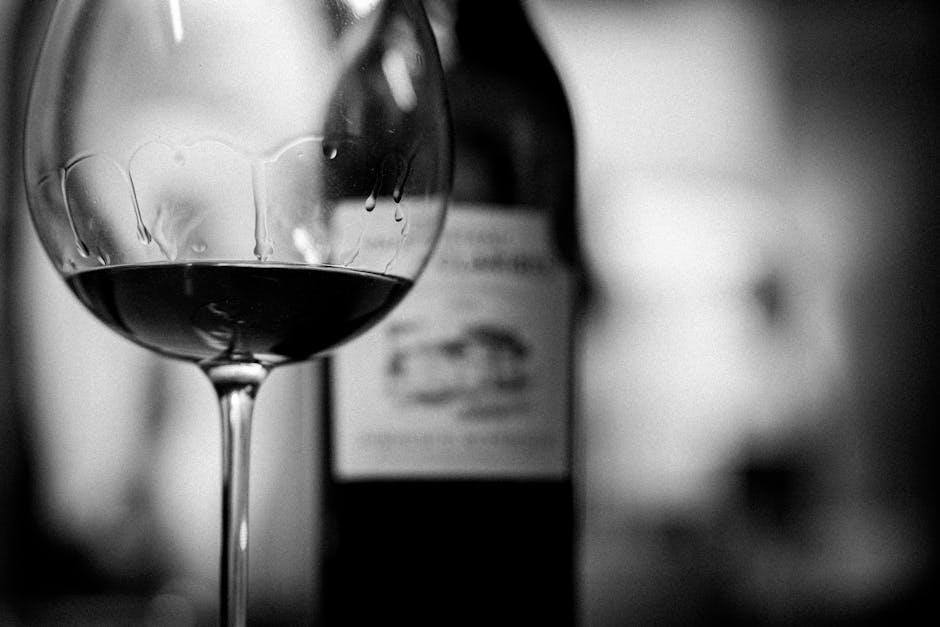
Red wine glasses typically feature a larger bowl shape, designed to maximize the wine’s surface area exposed to air. This encourages oxidation, softening tannins and releasing complex aromas. The wider opening directs the wine to the back of the mouth, highlighting fruit-forward flavors.
Bordeaux glasses, taller and with a larger bowl, suit full-bodied reds. Burgundy glasses, wider and shorter, are perfect for lighter-bodied, more delicate reds. Choosing the right shape enhances the overall tasting experience!
White Wine Glasses
White wine glasses generally have a smaller, narrower bowl compared to red wine glasses. This shape helps maintain a cooler temperature, crucial for appreciating the delicate aromas and flavors of white wines. The narrower opening also directs the wine to the center of the tongue, emphasizing acidity.
Different styles exist; a straight-sided glass suits crisp, dry whites, while a flared glass enhances aromatic varieties. Selecting the appropriate glass elevates the enjoyment of each sip!
Sparkling Wine Flutes
Sparkling wine flutes are characterized by their tall, slender shape, designed to preserve the delicate bubbles – the “perlage” – that define sparkling wines like Champagne and Prosecco. The narrow bowl minimizes surface area, slowing down the dissipation of carbonation, ensuring a longer-lasting effervescence.
While visually appealing, some connoisseurs prefer tulip-shaped glasses for sparkling wine, believing they better concentrate aromas. However, the classic flute remains the iconic choice for celebratory toasts!
How to Taste Wine: A Step-by-Step Guide
Tasting wine isn’t just about drinking it; it’s about experiencing it! Begin by observing the wine’s color and clarity. Next, gently swirl the wine in your glass to release its aromas. Then, inhale deeply, identifying the scents – fruits, flowers, spices. Take a small sip, allowing it to coat your entire mouth.
Consider the wine’s structure: acidity, tannins, and body. Finally, savor the finish – the lingering flavors after you swallow. Practice makes perfect, so enjoy the process!
The 5 S’s of Wine Tasting (See, Swirl, Smell, Sip, Savor)
Mastering the 5 S’s unlocks a deeper wine appreciation. See – observe the color and clarity, hinting at age and grape variety. Swirl – aerate the wine, releasing aromatic compounds. Smell – identify the aromas, categorizing them as fruit, floral, or earthy.
Sip – take a small amount, coating your mouth to assess flavors and structure. Finally, Savor – note the finish, the lingering taste, and overall impression. These steps build a complete sensory experience!
Wine and Food Pairing: The Fundamentals
Elevate your dining experience with harmonious wine pairings! The core principle involves balancing flavors – matching wine intensity to food weight. Lighter dishes pair beautifully with crisp white wines, while robust reds complement richer meats.
Consider regional pairings; wines from a specific area often complement local cuisine. Sweetness in food demands a wine with equal or greater sweetness. Spicy dishes benefit from off-dry or fruity wines to cool the palate. Experimentation is key!
Pairing Wine by Region
Discover the synergy of regional wine and food combinations! Wines often reflect the terroir – the climate, soil, and traditions – of their origin. Italian wines, for example, naturally complement Italian cuisine, creating a harmonious experience.
French wines pair wonderfully with French dishes, and Spanish wines shine alongside tapas. This isn’t a rigid rule, but a helpful starting point. Exploring pairings within a region unlocks authentic flavor profiles and enhances your appreciation for both wine and cuisine.

Pairing Wine by Intensity
Match the weight of your wine to the weight of your food! Light-bodied wines, like Pinot Grigio, are best suited for delicate dishes such as salads or seafood. Conversely, full-bodied wines, such as Cabernet Sauvignon, stand up to richer, heavier meals like steak or hearty stews.
Avoid overpowering delicate flavors with a bold wine, or having a light wine get lost amidst robust dishes. Balancing intensity creates a more enjoyable and harmonious dining experience, elevating both the food and the wine.
Pairing Wine with Sweetness & Spice
Navigating sweet and spicy dishes requires thoughtful wine choices! Wines with residual sugar, like Riesling or Moscato, beautifully complement desserts or spicy cuisine, as the sweetness counteracts the heat. Off-dry wines are excellent with Asian-inspired dishes.
For spicy foods, avoid high-alcohol wines, which can amplify the burn. Instead, opt for fruity, low-alcohol wines with a touch of sweetness to cool the palate. Experimentation is key – discover what balances your preferred spice levels!
Storing Wine: Keeping Your Wine Fresh
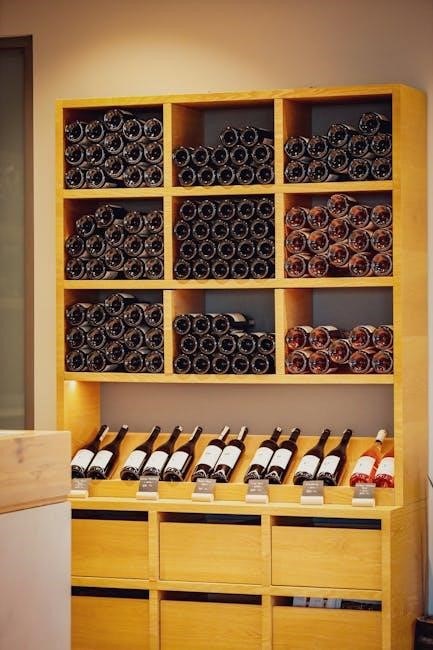
Proper storage preserves wine’s quality and flavor! Maintaining a consistent, cool temperature (around 55-65°F) is crucial. Humidity between 60-80% prevents corks from drying out.
For short-term storage (weeks to months), a dark, cool place away from vibrations is sufficient. Long-term storage benefits from a wine refrigerator or cellar, offering precise temperature and humidity control. Store bottles horizontally to keep the cork moist, ensuring a perfect seal and preventing oxidation.
Temperature & Humidity Control
Maintaining ideal conditions is key to wine preservation! Consistent temperature, ideally between 55-65°F (13-18°C), prevents premature aging. Fluctuations are more damaging than a slightly imperfect, but stable, temperature.
Humidity levels between 60-80% are vital; too low, and corks dry out, allowing air to enter. Too high, and labels can become damaged. A wine refrigerator offers precise control, while cellars naturally provide suitable conditions. Proper control safeguards your investment and ensures optimal enjoyment.
Short-Term vs. Long-Term Storage
Wine storage needs differ based on your timeline! Short-term (weeks to months) requires a cool, dark place away from sunlight and vibrations – a basement or interior closet works well. Maintain a consistent temperature, though precision isn’t crucial.
Long-term (years) demands more dedication: a wine refrigerator or cellar is ideal. Consistent temperature and humidity are paramount for proper aging. Laying bottles on their side keeps corks moist, preventing drying and oxidation. Careful planning ensures your wine evolves gracefully.
Decoding Wine Labels: What to Look For
Wine labels offer a wealth of information! Begin with the appellation, revealing the wine’s geographic origin – crucial for understanding style. The vintage indicates the year the grapes were harvested, impacting flavor profiles due to weather conditions.
Pay attention to alcohol content, offering clues about the wine’s body and potential intensity. Finally, identify the producer, as reputation often signifies quality. Understanding these elements empowers informed choices and enhances your wine exploration.
Understanding Appellations & Regions
Appellations define geographic areas with specific winemaking regulations. These regions, like Napa Valley or Bordeaux, dictate grape varieties, production methods, and quality standards. Knowing the appellation provides insight into a wine’s expected style and characteristics.
Regional variations are influenced by climate, soil, and tradition. Exploring different appellations unlocks a diverse range of flavors and aromas. Understanding these geographical cues is fundamental to appreciating the nuances of wine and making informed selections.
Vintage Information
The vintage indicates the year the grapes were harvested. It’s a crucial factor, as weather conditions significantly impact grape quality. Excellent vintages produce wines with concentrated flavors and balanced acidity, while challenging years may yield lighter-bodied wines.
Vintage charts offer guidance, but remember they’re generalizations. Regional variations exist within a vintage year. Learning to research specific appellations and their corresponding vintages enhances your understanding of a wine’s potential. Don’t solely rely on vintage; consider the producer’s reputation too!
Alcohol Content & Producer Details
Alcohol by Volume (ABV) is displayed on the label, typically ranging from 11% to 14% for most table wines, though it can be higher. ABV influences the wine’s body and perceived sweetness; higher alcohol often equates to a fuller body.
The producer’s name is also prominently featured. Researching the winery reveals their philosophy, winemaking techniques, and overall quality reputation. Established producers often maintain consistent standards, while smaller, boutique wineries may offer unique expressions. Knowing the producer adds context to your wine selection!